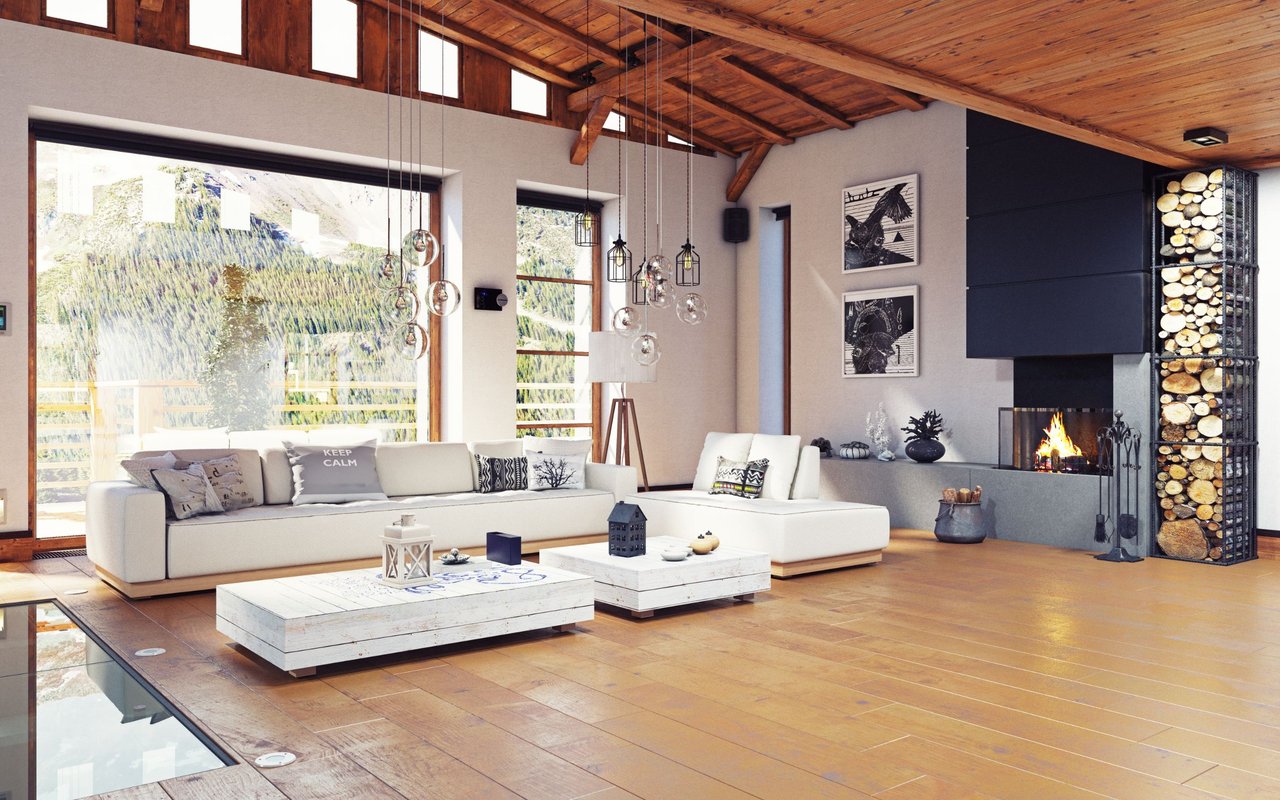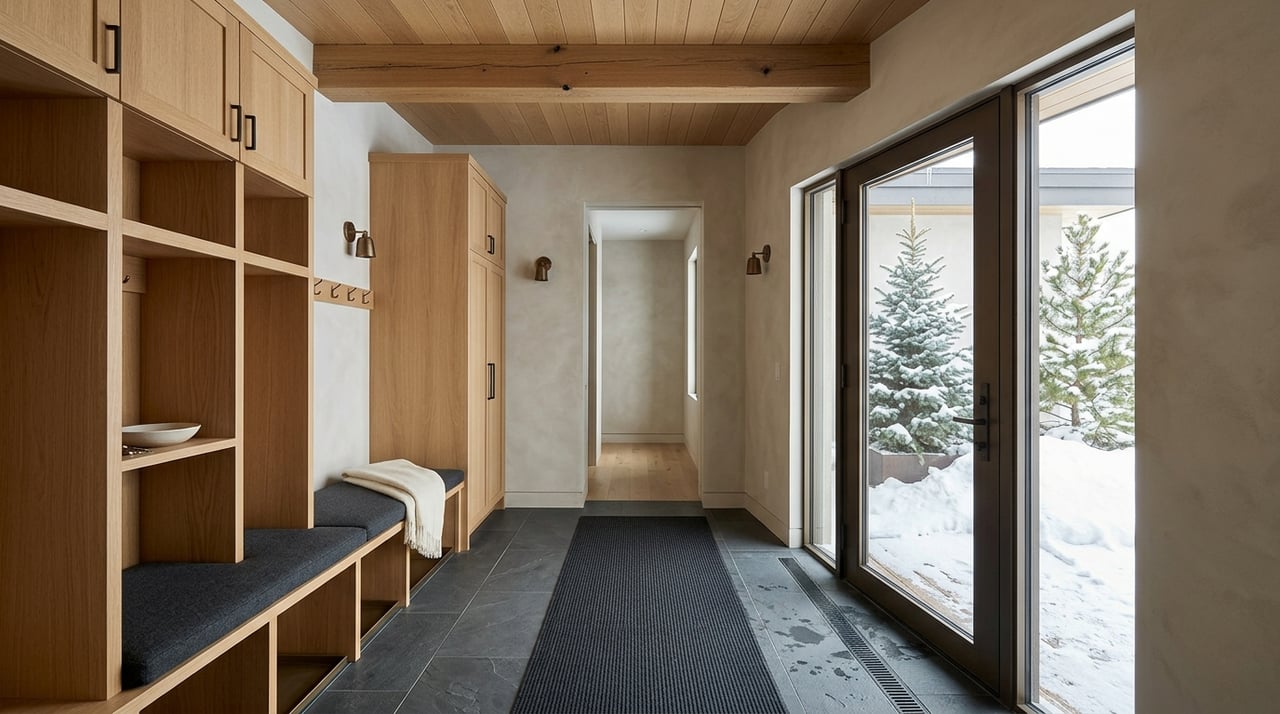
If you are trying to decide whether Lower Deer Valley works better as a full-time home base or a second home, the short answer is that it can do both. That flexibility is a big reason buyers keep looking here, especially if you want close access to Deer Valley, a straightforward connection to Main Street, and housing options that fit different ownership goals. The key is understanding where the neighborhood shines, where it asks for tradeoffs, and how to match the right property to the way you plan to use it. Let’s dive in.
Why Lower Deer Valley Feels Flexible
Lower Deer Valley sits in Park City’s resort corridor, not in a purely local residential pocket. City planning materials describe Deer Valley as a transition area between historic Old Town and the newer resort experience, and a recent planning commission packet says Lower Deer Valley should remain resort-oriented.
That matters because it helps explain why the area appeals to more than one type of buyer. If you want a primary residence with strong resort access, it can fit. If you want a second home that feels easy to enjoy throughout the year, it can also fit.
What Full-Time Buyers Should Notice
If you are considering Lower Deer Valley as your main home, the biggest advantage is location. You are close to Deer Valley, connected to Park City, and near transit routes that include Main Street and Snow Park stops.
Park City Transit is fare-free year-round, and winter service adds enhanced 20-minute frequency on most routes along with express connections from Richardson Flat to Deer Valley Resort and Park City Mountain. On the spring 2026 system, Route 2 Green serves Park Meadows and Thaynes Canyon to Deer Valley Resort every 30 minutes from early morning to late evening, and Route 5 Yellow serves Prospector Square to Deer Valley Resort every 30 minutes with Main Street and Snow Park stops included.
For a full-time owner, that transit access can help reduce the need to drive for every outing. It also gives you another option during busy ski-season traffic, which is worth noting because the city enforces parking restrictions in residential neighborhoods and peak-season congestion is part of the ownership picture.
Daily Living Tradeoffs
Lower Deer Valley is not the kind of neighborhood where you should expect high walkability for everyday errands. The city’s neighborhood plan says walkability is low because there are few amenities within the neighborhood itself, even though trails connect it to nearby areas.
For some full-time buyers, that will feel like a minor inconvenience. For others, especially if you want to walk to regular services and dining from your front door, it may shape which building or section of the neighborhood makes the most sense.
Why Second-Home Buyers Like Lower Deer Valley
Lower Deer Valley has many traits that second-home buyers usually want. It offers resort proximity, year-round transit, and a housing mix that can support easier lock-and-leave ownership.
The neighborhood plan describes Lower Deer Valley as dominated by multifamily condominiums, while single-family homes appear along the northern edge in places like Solamere, Morning Star, the Oaks, and Hidden Meadows. That range gives you choices depending on whether you want lower-maintenance condo living or a larger home with more space for longer stays.
Current lodging examples reinforce that pattern. Pinnacle offers multi-level, townhome-style condos about one mile from Snow Park Lodge and two blocks from the free transit route, while Daystar condos sit about three-quarters of a mile from the base and are also on the free route. The Lodges at Deer Valley includes hotel rooms through three-bedroom residences with hotel-style services, and Deer Valley also markets a six-bedroom private home in the Solamere area.
Lock-And-Leave Appeal
If your goal is a second home, condos and townhome-style residences can be especially appealing in Lower Deer Valley. These property types often line up better with buyers who want to arrive, enjoy the resort, and leave without the same level of upkeep that can come with a larger standalone home.
That does not mean single-family homes are off the table. It simply means Lower Deer Valley gives you options across a broader range of ownership styles than some buyers expect.
The Best Fit Depends On Your Use Pattern
A lot of buyers do not choose between full-time and second-home use in a strict way. They want a property that works for frequent visits now and possibly longer stays later, or a home that supports full-time living while still feeling tied to the resort lifestyle.
That is where Lower Deer Valley stands out. Because it sits between Old Town access and the Deer Valley resort environment, it can serve buyers who want flexibility over time rather than a one-note ownership experience.
Lower Deer Valley May Fit You If You Want
- Close proximity to Deer Valley Resort
- Easy access to Main Street without being in the middle of Old Town
- Condo, townhome, and larger home options in one general area
- Fare-free transit as part of your day-to-day movement
- A home that can support either primary or second-home use depending on the property
Lower Deer Valley May Need A Closer Look If You Want
- Strong walkability inside the neighborhood itself
- A purely residential setting removed from resort traffic patterns
- Reliable rental income assumptions without verifying the exact property first
What To Know About Rental Potential
For many second-home buyers, rental compatibility is part of the conversation. In Lower Deer Valley, the important point is that rental use is property-specific, not automatic.
Park City requires a Nightly Rental License for stays under 30 days when zoning allows. The city directs owners to review the zoning map and nightly rental map, and planning materials have long treated Deer Valley as one of the places where nightly rentals belong. A 2020 ordinance references the city’s strategy to focus nightly rentals in resort neighborhoods near Deer Valley and Park City Mountain Resort, and a recent planning commission packet says Lower Deer Valley should remain resort-oriented.
That makes Lower Deer Valley a strong candidate for buyers who want second-home use and, in the right parcel or building, possible rental use. Still, you should verify zoning, HOA rules, and licensing requirements before you count on any income plan.
Management Support Matters
Operational fit matters just as much as legal fit. Deer Valley offers a rental-management program for homeowners who want resort-run management, which may appeal if you prefer a more hands-off ownership style.
For some buyers, that kind of support helps justify a second-home purchase. For others, it is simply one more factor to compare when deciding between buildings, services, and ownership costs.
Full-Time Versus Second Home: A Simple Comparison
| Ownership Goal | How Lower Deer Valley Fits |
|---|---|
| Full-time residence | Strong for buyers who value resort access, transit, and proximity to Park City |
| Second home | Strong for buyers who want lock-and-leave options and easy access to Deer Valley |
| Hybrid use | Especially appealing for buyers who plan part-time use now and more time later |
| Nightly rental interest | Possible in the right property, but must be verified case by case |
| Walkable daily errands | More limited within the neighborhood itself |
How To Choose The Right Property Here
If you are shopping in Lower Deer Valley, the smartest move is to start with your real use case. Think about how many weeks or months you expect to spend in the property, how much maintenance you want to handle, whether transit access matters to you, and whether rental flexibility is part of the plan.
From there, the property type usually becomes clearer. A condo or townhome may make the most sense if you want simplicity and seasonal use, while a larger single-family home may be a better fit if you expect full-time living, longer stays, or more room for guests.
Lower Deer Valley is not a one-size-fits-all neighborhood, and that is exactly why it works for so many buyers. It offers a resort-oriented setting with enough range to support different ownership goals, provided you match the property to the way you actually plan to live.
If you want help sorting through condos, townhomes, or larger homes in Lower Deer Valley, Alpine Luxe Properties can help you compare use cases, property types, and the details that matter before you make a move.
FAQs
Is Lower Deer Valley better for a primary home or a second home?
- Lower Deer Valley can work well for either, since it offers resort access, transit connections, and a housing mix that includes condos, townhomes, and larger homes.
Does Lower Deer Valley have good walkability for daily living?
- Park City’s neighborhood plan says walkability is low within Lower Deer Valley because there are few amenities in the neighborhood itself, though trails connect to nearby areas.
Can you use a Lower Deer Valley property as a nightly rental?
- Some properties may support nightly rental use, but you need to confirm zoning, HOA rules, and Park City licensing requirements for the specific property.
What types of homes are common in Lower Deer Valley?
- The area is largely made up of multifamily condominiums, with single-family homes along the northern edge in areas such as Solamere, Morning Star, the Oaks, and Hidden Meadows.
Does Park City Transit serve Lower Deer Valley?
- Yes. Park City Transit is fare-free year-round, and routes serving Deer Valley include stops such as Main Street and Snow Park with regular service schedules.